Can luck really influence your casino outcomes?
The Role of Luck in Gambling
Luck is often perceived as a critical determinant of outcomes in various casino games. This belief stems from the inherent unpredictability of chance, which can overshadow skill and strategy. For instance, when playing games such as slot machines, a player invests time and money, yet the result hinges on random number generators and anonymous casinos that contribute to the excitement. The thrill of gambling is largely wrapped in this randomness, where players fervently hope for that lucky moment that could drastically alter their fortunes in an instant.
However, luck can serve both as a blessing and a curse. Some players may find themselves on a winning streak, reinforcing their belief in luck’s powerful influence. On the flip side, those who encounter consecutive losses might begin to question the fairness of the games and the very essence of luck itself. This psychological component is crucial, as it shapes how individuals perceive and interact with games of chance, illustrating that luck is not merely an external factor but also a mental state.
Many gamblers recount stories of serendipitous victories that seem to occur with minimal effort. Such anecdotes contribute to the mythos surrounding luck in casinos. Players often seek lucky charms or indulge in superstitions, convinced that certain actions—like wearing a specific outfit or starting a game at a certain time—could sway the odds in their favor. These behaviors reflect a natural human inclination to find patterns in randomness, further entrenching luck’s perceived role in the gambling narrative.
The Science Behind Randomness and Odds
While the concept of luck is captivating, the reality of randomness and probabilities plays an essential role in determining gambling outcomes. Every casino game is grounded in mathematical principles that govern payout rates, house edges, and the probabilities of winning. For instance, in games like blackjack or poker, a solid understanding of the odds can significantly enhance a player’s chances of success. Experienced players often capitalize on this knowledge to make strategic decisions rather than relying solely on luck.
Moreover, casino games are meticulously designed with specific probabilities in mind to ensure that the house maintains a long-term advantage. This means that while players may enjoy short-term wins, the statistical reality favors the establishment over time. In roulette, for example, the inclusion of a green zero alters the odds, granting the house an edge. This reinforces the notion that luck is often a fleeting illusion rather than a consistent advantage.
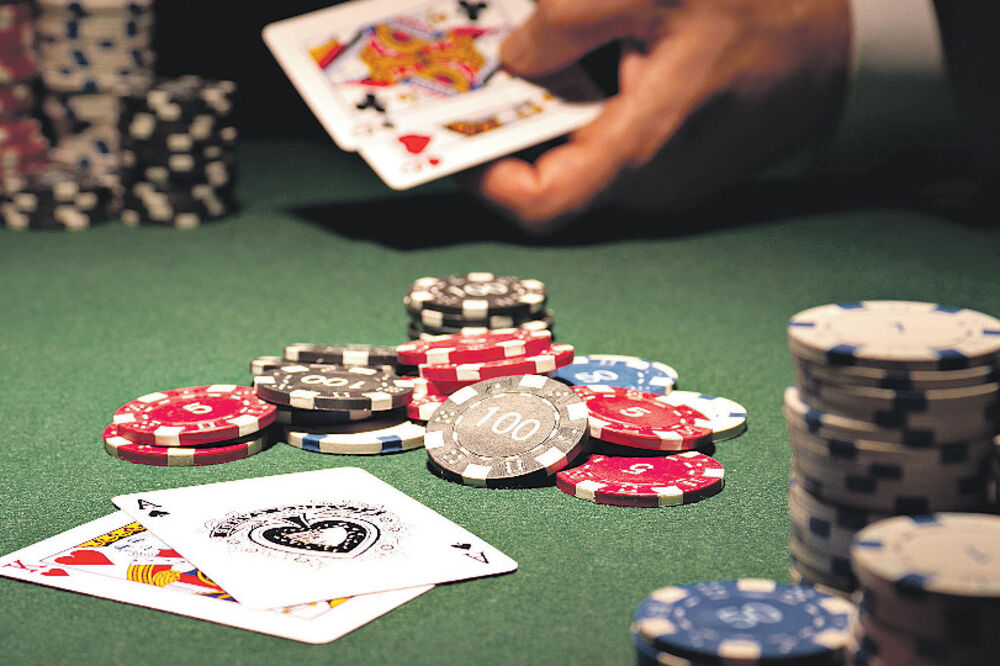
Furthermore, the distinction between purely chance-based games, such as slot machines, and skill-based games, like poker, underscores the varying implications of luck. In skill-centric games, knowledgeable players can mitigate the impact of luck through strategic play, whereas in pure chance games, players find themselves entirely at the mercy of fate. Grasping this spectrum of randomness is vital for players aiming to navigate the casino landscape more effectively, as it highlights when luck may be less influential and when skill can take the forefront.
The Psychological Factor of Believing in Luck
The psychology behind gambling reveals that players’ beliefs about luck can profoundly impact their behavior and outcomes. Many gamblers exhibit a behavioral pattern known as „the gambler’s fallacy,“ where they mistakenly believe that past outcomes influence future results. For example, after witnessing a series of losses on a slot machine, a player may feel that a win is „due“ and continue gambling, despite the unchanged odds. Such cognitive distortions can lead even responsible players into harmful gambling habits.
Conversely, the „sunk cost fallacy“ exemplifies how the belief in luck can lead gamblers to chase their losses, convincing themselves that a winning streak is just around the corner. This mental trap often results in considerable financial losses and emotional turmoil. Acknowledging these cognitive biases is crucial for promoting responsible gambling, as awareness can assist individuals in recognizing when their faith in luck is clouding their judgment.
Additionally, the social aspects of gambling amplify the psychological influence of luck. Gamblers frequently share tales of their lucky experiences, fostering a community where stories of big wins inspire others to participate. This collective reinforcement of luck’s significance can lead to heightened engagement in casino activities, as players yearn to replicate the successes of their peers. Ultimately, the psychological beliefs surrounding luck not only shape individual experiences but also contribute to the overarching culture of gambling.
Strategies to Manage Luck in Casino Games
Given the unpredictable nature of luck and its impact on gambling outcomes, players can employ various strategies to improve their experiences. One effective approach is to set clear limits on both spending and time spent in the casino. By establishing these boundaries, players can relish the thrill of gambling without falling victim to the pitfalls of chasing losses or over-relying on luck for favorable results. Knowing when to walk away, especially after a significant loss, is vital for maintaining a healthy gambling mindset.
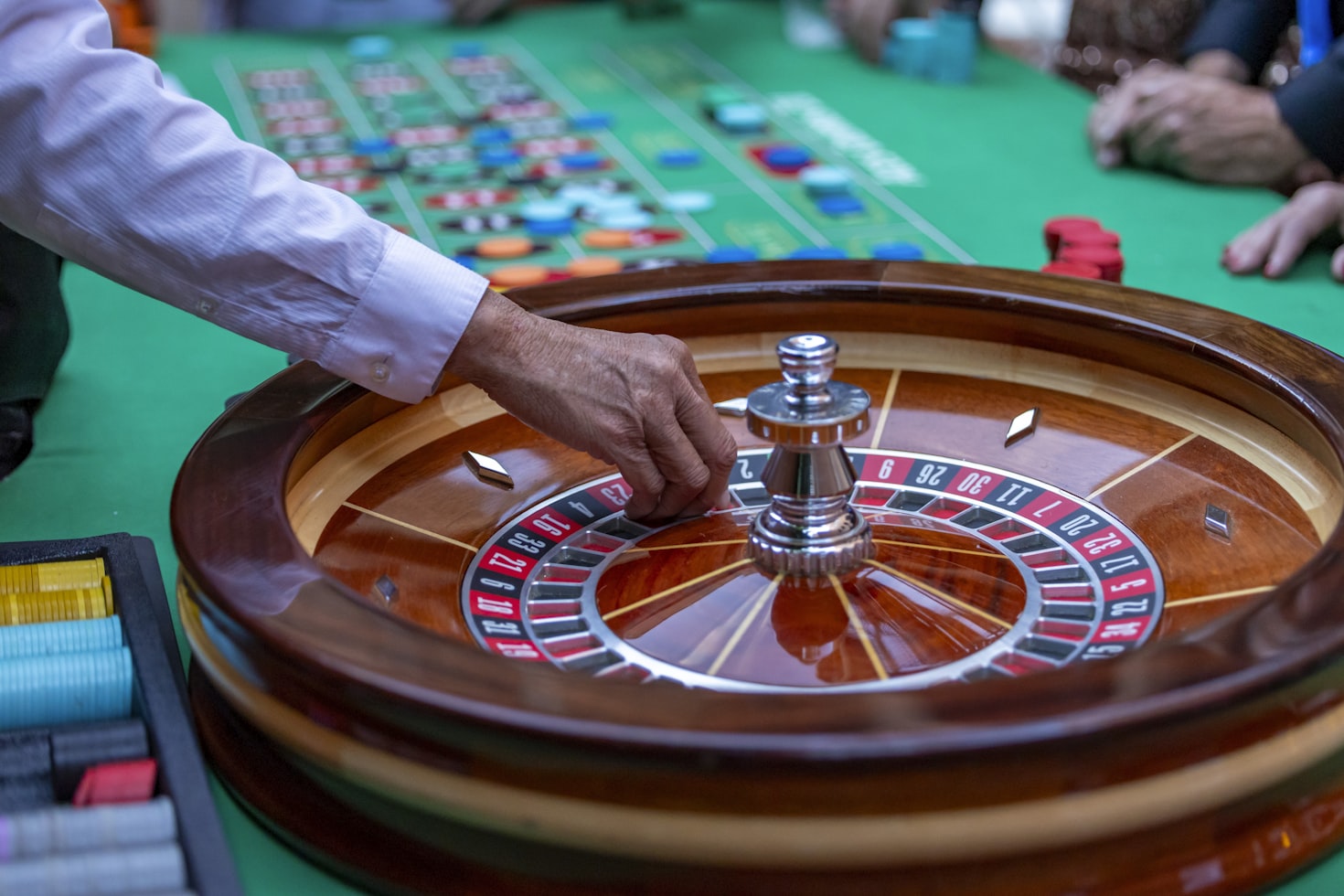
Another strategy involves selecting games where skill and strategy play a more substantial role. Opting for games like poker or blackjack allows players to effectively utilize their understanding of odds and probabilities. Skillful players can reduce the element of luck through strategic decision-making, thereby improving their chances of achieving a favorable outcome. Educating oneself about the games being played can empower players, leading to a more fulfilling and potentially rewarding experience.
Furthermore, emotional control is essential in managing the influence of luck. Players should cultivate a balanced mindset and practice mindfulness to avoid impulsive decisions driven by emotions. Recognizing the distinction between entertainment and financial investment is critical. By maintaining a healthy perspective on luck and its limitations, players can engage in casino games as a form of entertainment, rather than viewing them as a means of financial gain.
Your Go-To Resource for Casino Insights
In the dynamic realm of gambling, accessing reliable resources is essential for informed decision-making. Numerous websites provide valuable insights into casino games, strategies, and outcomes, helping players navigate the complexities of gambling. These platforms often delve into the mathematics behind various games, offering tips from experienced players and updates on current trends in the casino industry.
Moreover, engaging with platforms that promote responsible gambling can significantly enhance your gaming experience. These resources typically feature guides on managing gameplay, understanding odds, and recognizing signs of problematic gambling behavior. By arming yourself with knowledge, you can traverse the world of casinos with a deeper comprehension of luck’s role and the importance of personal responsibility.
In conclusion, while luck undoubtedly influences casino outcomes, an informed approach rooted in strategy, psychology, and emotional control can significantly enhance your gaming experience. Embrace the thrill of luck while acknowledging its limitations, and utilize reliable resources to empower your journey in the exciting world of gaming. Ultimately, understanding the interplay between luck and skill can lead to a more enriched and responsible approach to gambling.


